Article: Starting a Food Business from Scratch - Beginners Toolkit
Starting a Food Business from Scratch - Beginners Toolkit
Here's everything you need to know about setting up a food business for the first time. Here's an easy-to-follow 8 step introduction, along with a helpful checklist at the end .

STEP 1: Accept that you don’t need to know everything to start
When I started selling ginger beer to people in a 2009, I was clueless. I had a plan, of course I did, but no experience. Just an idea to make old school ginger beer and sell it to the people of Auckland. Hopefully make a living from it. There didn’t seem to be any way to find out if it would work except by doing it. I’ve learnt a lot since then, both from our own trials and successes, and from all the people we work with.
This “Beginners Toolkit” is everything I wish I’d known back then – useful stuff like what kind of food licence I needed, where to get bottles from, and how much should I be selling my goods for.
There are more programs out there that will help you grow your idea further – such as The Foodbowl – but they require you to have taken your idea at least as far as trialling it at a local market.
The ‘first rung of the ladder’ for starting a food business is all right here, and the Grey Lynn Farmers Market will help you take that first step.
STEP 2: Test your idea at a farmers market
Hands down the best market research comes from manning a stand at a farmers market selling your wares.
Whatever your food business idea is, you’ll get invaluable real-world feedback from giving samples to people, and soaking up their reactions.
The Grey Lynn Farmers Market actively encourages start-ups. We offer short-term stall hires, experienced advice, and brilliant networking opportunities.
For 2 years we delivered all the information here in 5 seminars, honing the course to meet the needs of people with brand new ideas, and people with existing businesses who needed to fill some knowledge gaps.
Now we’ve made it shareable and accessible for everyone in Aotearoa on this site. If you are finding this interesting and helpful, we’d love you to publish a link on your social media too.
STEP 3: Understand the different market business models
Market Business Models
There are lots of different business modesl to see in action at the farmers market. The BioVG produce stand is an excellent example of this model. The majority of sales are at weekend markets. Edward grows his produce traditionally and is organically certified.
Carl of Natures Corner is another excellent example. Again his eggs are competitively priced and spankingly fresh, and also Carl can personally attest to the fine health of his happy hens.
By selling direct and cutting out the middle man, the consumer gets fresher goods, and these vendors gets more money for their produce than they would if they were selling it to a shop or supermarket.
Local Business Selling Direct
Jersey Girls Organics sell their superb A2 organically certified milk at weekend markets, and also wholesale to Farro and other specialty food stores.
John needs the extra income from selling direct to the consumer, and he also wants to build solid brand loyalty for the retailers they supply.
One Income Stream, not a whole living
There are plenty of stall-holders who are working for supplementary income. A side-hustle if you will.
Lulu’s Tonics is a good example of this – Lulu supplements the family income with her weekend market sales.
STEP 4: Let your product evolve
Product & Brand Development
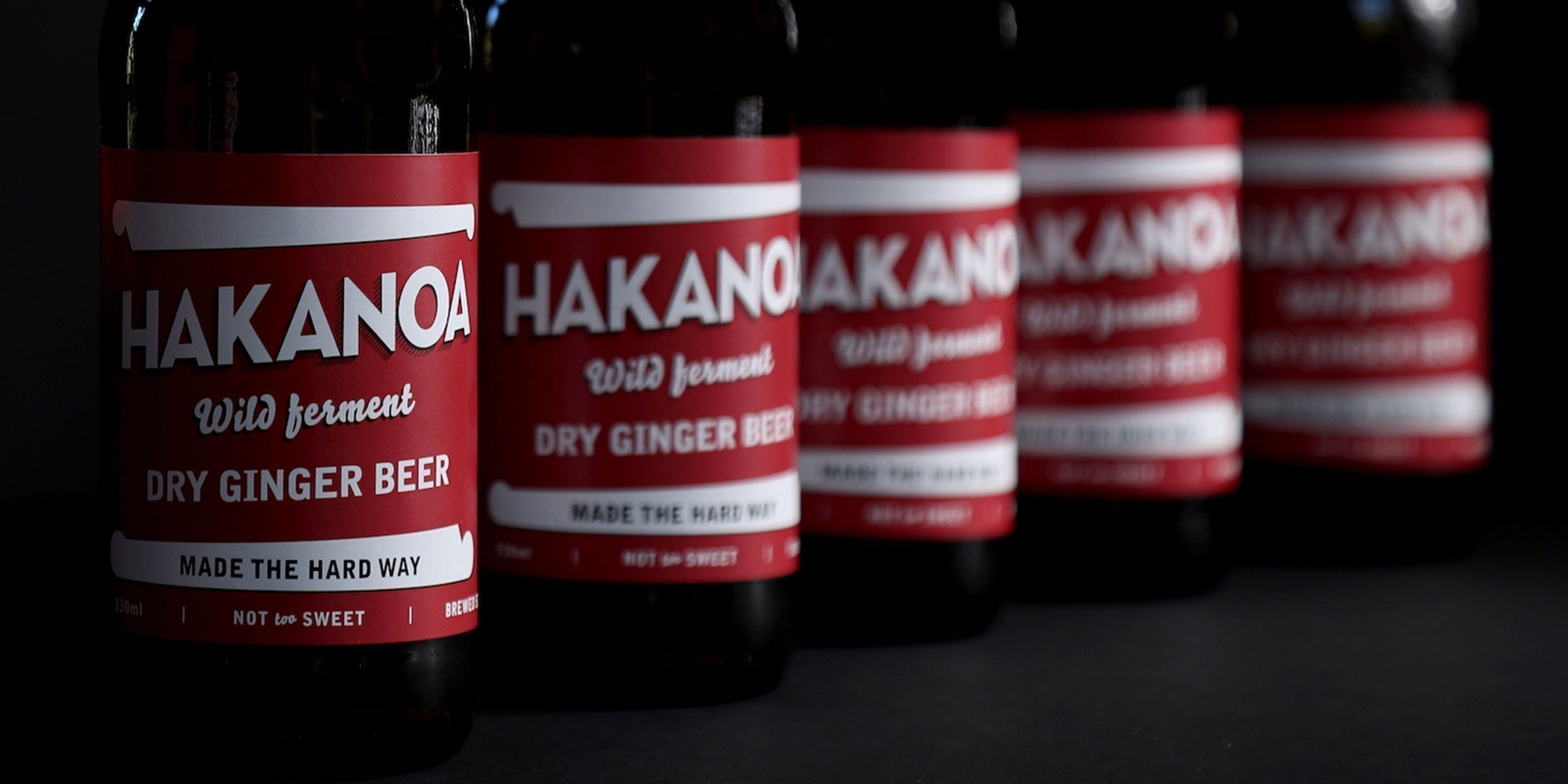
Hakanoa is one example of this. We started out making good old fashioned ginger beers that exploded if not kept cold enough and consumed quickly enough. Not a great business model for Auckland with it’s frequent wet weather and vast physical extent.
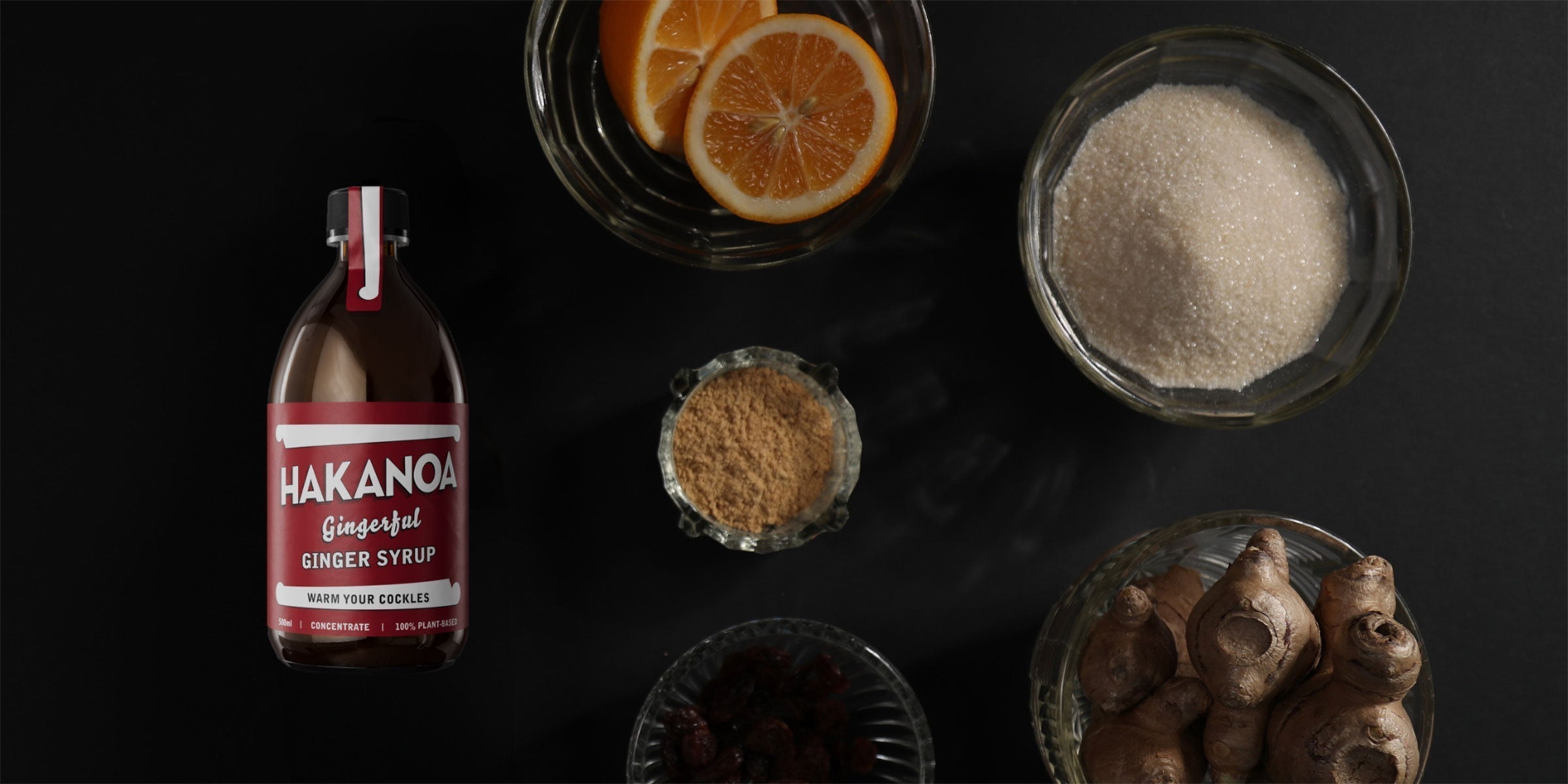
While we were trying to sort that out, and so I could sell something when it was raining, I made a Ginger Syrup. A few months later the market barista, who had become a mentor to me quite by accident, suggested I make a Chai concentrate.
Now we supply our premium cafe range of 11 concentrates to over 400 cafes around Aotearoa, as well as through Farro and Moore Wilsons.
STEP 5: Learn food safety before anything else
JUST DON’T MAKE ANYONE SICK
- Enrol in a one-day Food Safety Course and you will see multiple options for these, all good
- Ask the internet for a Food Safety Course and you will see multiple options for these, all good
Food Safety Laws can look scary and huge, but that’s because they have to cover a lot of ground. The main thrust of ALL of them is to prevent pathogens (bugs that make everyone sick) and allergens (foods that make just some people sick) from making people ill or worse, killing them.
It’s a huge act of trust, eating food. We all do it, several times day.
Therefore all food producers have to prove they are taking all the necessary measures that stop the nasties.
Not just once, they must keep regular a record showing all those measures have been taken, proving that they are worthy of our trust.
Botulism, Salmonella, Anaphylactic shock caused by a nut allergy – these are all pretty grim and thanks entirely to our Food Safety laws, pretty rare.
STEP 6: Work out which food safety rules apply to you
To find out which specific food safety rules your business need to follow, start here on the MPI website.
You will need a food control plan. MPI has template FCPs (Food Control Plans) for the most common types of food production. If you need to get a special FCP made for your product, Assured Food Safety are very good.
PRIMARY PRODUCERS – PLANT BASED
Vegetables, fruit, and seedlings. You fall under National Program 1 and a local ‘verifier’ needs to check that you are following safe practices before you can register for NP1.
If you want to label your produce ‘organic’ you must have a certificate to prove it. BioGro is the gold standard in NZ.
PRIMARY PRODUCERS – ANIMAL BASED
Eggs, honey, meat, fish, cheese & milk. These producers have to run a Risk Management Program. MPI runs the RMP’S for production, and your local council issues NP2 or NP3 licences for the vendor.
SECONDARY PRODUCERS – TAKE HOME FOOD
Breads, pastries, dry goods, jams, cordials, and water-based ices. These producers need a National Program 2 registration and must work from a commercially licensed kitchen.
SECONDARY PRODUCERS – FOOD VENDORS
Coffee carts, food trucks, dumpling – anything served fresh to be eaten or drunk on the spot. These producers have their NP1 or NP2 licence issued by the local council.
STEP 7: Decide where you will make your food
USE SOMEONE ELSE’S KITCHEN
Local cafes, neighbourhood bistros, Marae, sports clubs, RSA’s, or other stall-holders.There are places for hire at the Kitchen Collective too.
GO LARGE WITH CONTRACT MANUFACTURING
They won’t want to talk to you until you’ve got a market-proven product that you have already made and sold.
Hakanoa doesn’t own a production facility. We brew with a cider maker in Te Puna and bottle in Tauranga. We cook and bottle concentrates at Wild Appetite in Auckland.
THE FOODBOWL
A development facility for scaling ideas that have already been tested at market.
OR LICENCE YOUR OWN KITCHEN
Councils may allow home kitchens if they meet commercial standards. Assured Food Safety can advise.
STEP 8: Know what the market manager needs from you
Local councils send food safety inspectors without warning. Food vendors must display council-issued registration. All other stall holders provide relevant registration when applying and update it yearly.
Every stall holder at the market has got over all these hurdles. You can do it too.
If you are not sure where to start, we will help you figure it out.
Checklist
Here's a simple step-by-step checklist to help you get started selling food
- Accept that you don’t need experience to begin — you learn by doing
- Write down your food idea and test whether people will buy it.
- Book a stall at a farmers market to get real-world feedback.
- Talk to customers, offer samples, and observe reactions.
- Decide which market business model fits your goals (main income, mixed income, or side hustle).
- Allow your product to evolve based on feedback and practicality.
- Enroll in a one-day Food Safety Course.
- Learn which food safety rules apply to your product via MPI.
- Choose or create a Food Control Plan (FCP).
- Confirm whether you are a primary or secondary producer.
- Secure a compliant kitchen (shared, hired, licensed home, or contract manufacturer).
- Keep written cleaning and safety records.
- Register with your local council and obtain required licences.
- Provide food safety documentation to market managers.
- Display your registration clearly if serving food or drink.
- Review and renew registrations annually.